Overview
Clean teeth support healthy gums and fresher breath.
Daily brushing cannot always remove hardened tartar. Professional scaling and polishing remove deposits from tooth surfaces and gum margins, reducing gum irritation, bleeding and bad breath. It is one of the simplest ways to protect long-term oral health.
Plaque removalDeposits around teeth and gum line are removed carefully.
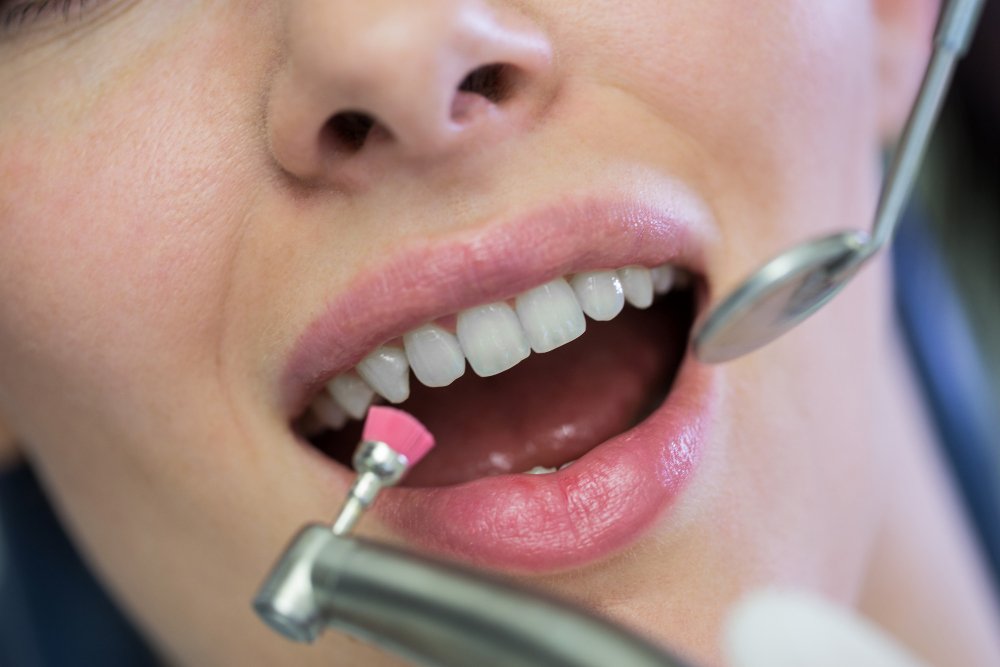
Polished finishPolishing smooths surfaces and helps reduce superficial staining.
Gum supportCleaning can reduce inflammation when tartar is irritating gums.
PreventionRegular cleaning helps detect early decay and gum issues.
When cleaning may be needed
- Bleeding gums while brushing
- Bad breath, visible tartar or yellowish deposits
- Stains from tea, coffee or tobacco
- Gum swelling, tenderness or food lodgement
- Routine maintenance as advised by the dentist
Cleaning process
- 1Gum and tooth check
The dentist checks deposits, gum inflammation and sensitive areas.
- 2Scaling
Special instruments remove plaque and tartar from tooth surfaces and gum margins.
- 3Polishing
Teeth are polished for a smoother, cleaner feel.
- 4Home-care guidance
Brushing, flossing or interdental cleaning technique is explained.
If gums bleed often or teeth feel loose, a deeper gum evaluation may be needed.