Overview
Every suspected fracture needs timely diagnosis and proper immobilization.
A fracture is a break or crack in a bone. It may happen after a fall, road accident, sports injury, twist or direct blow. Some fractures are obvious, while others present as swelling, severe pain or inability to use the limb. Treatment depends on bone alignment, fracture location, age and injury severity.
Trauma assessmentPain, swelling, deformity, wounds and circulation are checked.
X-ray reviewImaging helps confirm the fracture and guide treatment.
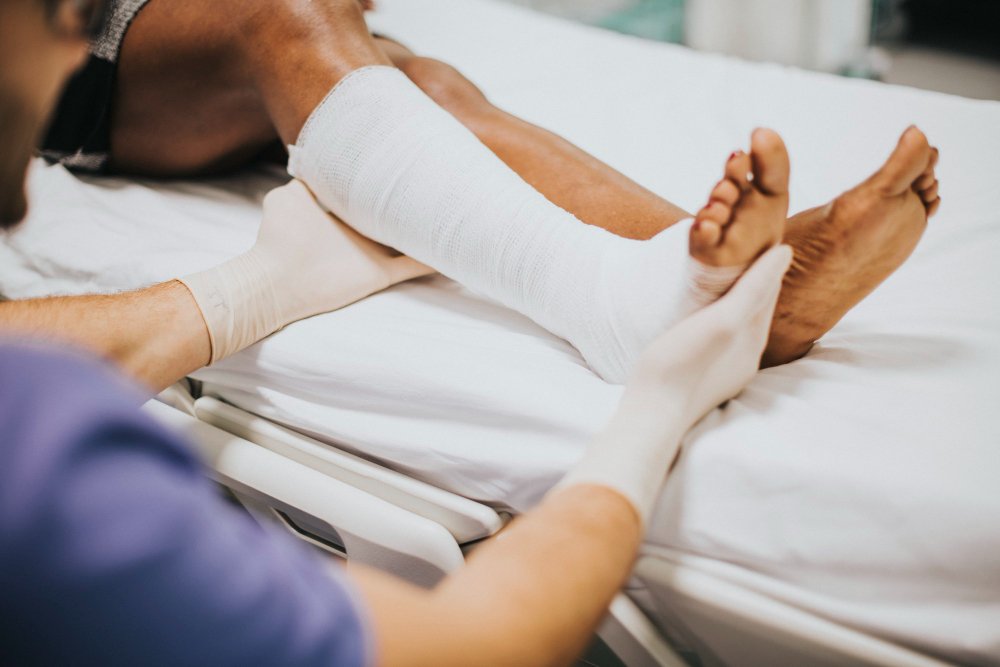
ImmobilizationSplints, casts, slings or braces may be used to protect healing bone.
Follow-up careHealing, alignment and movement are monitored during recovery.
Signs of possible fracture
- Severe pain after injury, fall or accident
- Swelling, bruising, deformity or tenderness over bone
- Inability to bear weight or move the injured part
- Open wound with bone injury or bleeding
- Numbness, cold fingers or toes after trauma
Treatment approach
- 1Stabilize and assess
The injured limb is protected and examined for swelling, wound, nerve and blood supply signs.
- 2Confirm with imaging
X-rays are commonly used. CT or other imaging may be advised for complex injuries.
- 3Cast, splint or surgery decision
Stable fractures may heal with immobilization. Displaced or unstable fractures may need reduction or surgery.
- 4Rehabilitation
After healing, exercises help restore movement, strength and function.
Open fractures, deformity, severe swelling, numbness, cold limb or major injury need urgent emergency care.